Gentlemen, let's talk fly-fishing. While our tournaments often revolve around the thrum of a big diesel and the scream of a Shimano Tiagra, there's an undeniable artistry to the long wand. And for many of us, the off-season or a quiet day on the flats is spent with a fly rod in hand, chasing everything from bonefish to tarpon. We've all seen the purists with their 9-foot, 10-weight setups, and for good reason – they cast a mile.
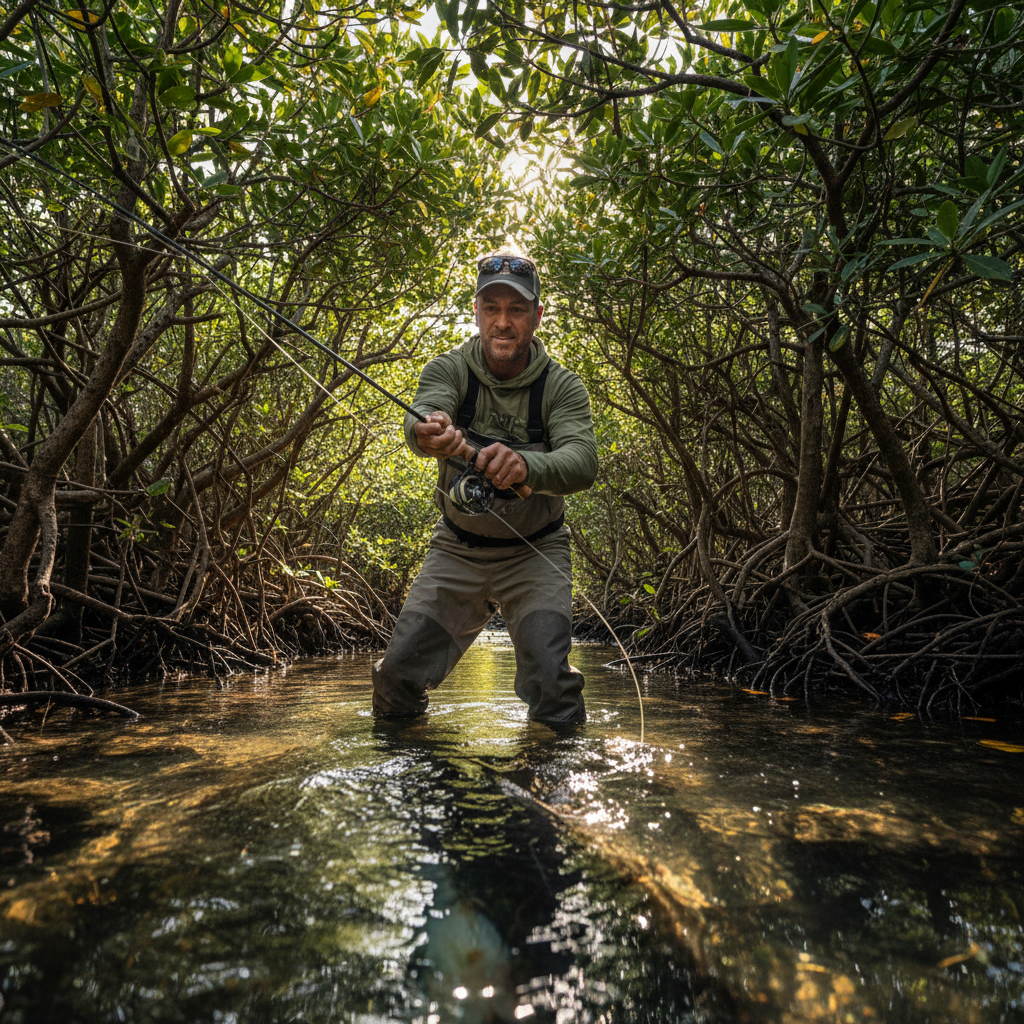
But a recent piece from *Florida Sportsman* got me thinking, and it echoes what many seasoned anglers, myself included, have learned through trial and error: sometimes, a shorter fly rod is not just a compromise, but a distinct advantage. I've been in situations, tucked into mangrove channels down in the Glades or working a tight creek mouth in the Keys, where that extra foot or two of rod length becomes a liability, not an asset. Trying to punch a cast under an overhang with a 9-footer feels like wrestling an octopus in a phone booth.
Think about it: a shorter rod, say 7 or 8 feet, offers incredible maneuverability. You can make quicker, more accurate casts in confined spaces, and when that big snook or redfish inhales your fly, the leverage you gain over a powerful fish at close quarters is surprising. It's about getting the job done efficiently, not just casting distance. This isn't about replacing your primary big-game setup, but rather adding a specialized tool to the arsenal, much like you wouldn't use a 130-class rod to pitch a live bait to a sailfish.
For those of us who value precision and the thrill of the fight, a compact fly rod can open up new opportunities and challenges. It's a testament to adapting your gear to the conditions, a principle we live by in every tournament, whether we're running a Viking or a Jarrett Bay. And rest assured, whether it's a Penn International or a custom-built fly reel, the respect for the fish and the IGFA's tenets of fair chase remain paramount, even when you're going short.