While our sights are often set on the cobalt depths and the thunderous pull of a grander marlin, there's a different kind of challenge that beckons from the sun-drenched flats and mangrove-lined channels of South Texas: the coveted Inshore Slam. For those accustomed to the adrenaline of a White Marlin Open weigh-in, this pursuit offers a nuanced test of angling prowess, demanding precision, patience, and the right gear to land a redfish, a speckled trout, and a snook in a single day.
Achieving the South Texas Slam isn't just about luck; it's about meticulous planning. Just as you wouldn't head to the Big Rock without a fully rigged Viking or Jarrett Bay, success here hinges on a shallow-draft vessel – perhaps a custom-built bay boat or a high-performance skiff – capable of navigating skinny water yet stable enough for casting. Electronics like a high-resolution Garmin or Simrad unit are crucial, not just for navigation, but for identifying subtle bottom contours and baitfish schools that betray the presence of your target species.
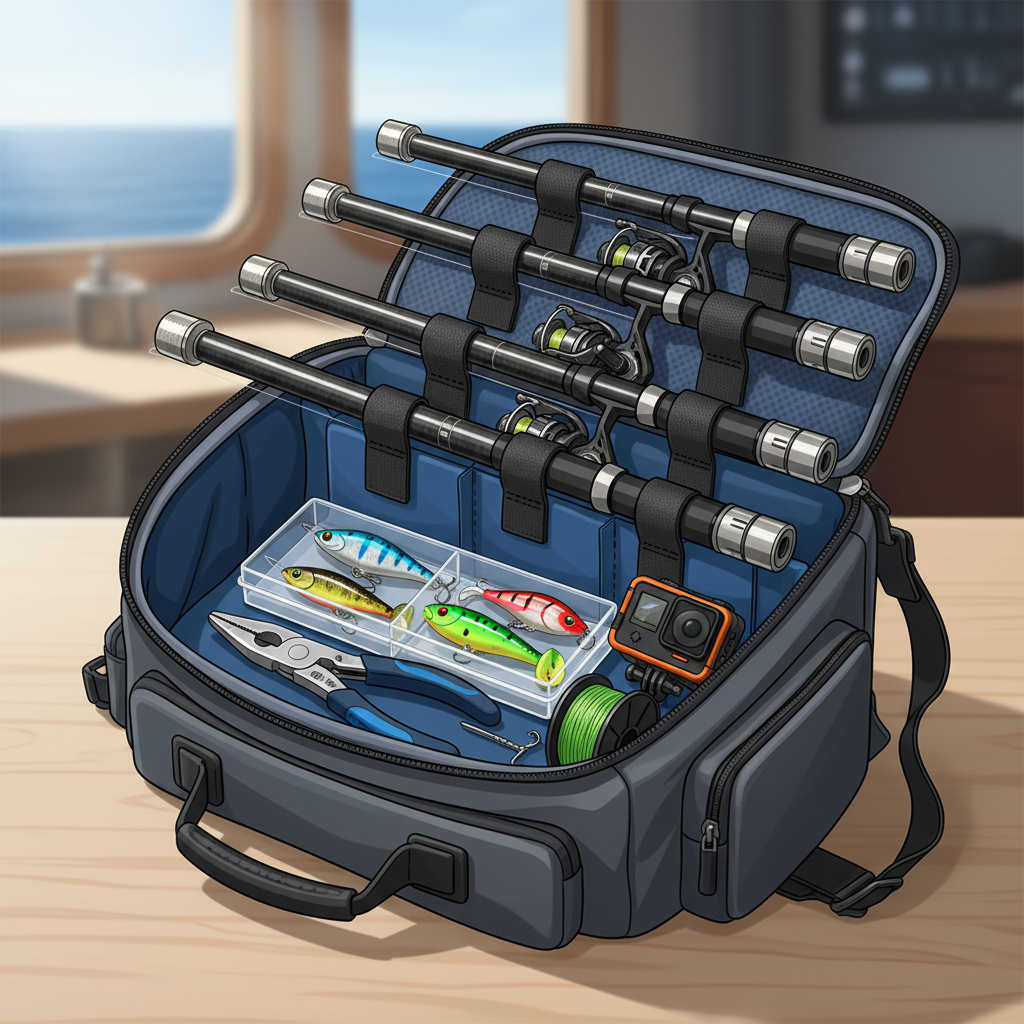
And then there's the 'Grand Slam' upgrade: adding a tarpon to the mix. This elevates the challenge exponentially, demanding a shift in strategy and tackle. While a light Shimano Stradic or Penn Conflict spooled with braid might suffice for the reds and trout, a silver king calls for a beefier setup – perhaps a Penn Slammer or a Daiwa Saltiga, capable of handling explosive runs and aerial acrobatics. It's a testament to the angler's versatility, moving from delicate presentations for wary snook to battling a chrome torpedo that could easily spool lesser gear.
This isn't a tournament with a cash prize, but the satisfaction of the South Texas Slam, especially the Grand Slam, is a trophy in itself. It's a personal competition, a demonstration of skill and respect for the diverse ecosystems these species inhabit. And, like all serious angling, it's done with an eye towards conservation, ensuring these vibrant fisheries remain healthy for generations of anglers to chase their own slams.