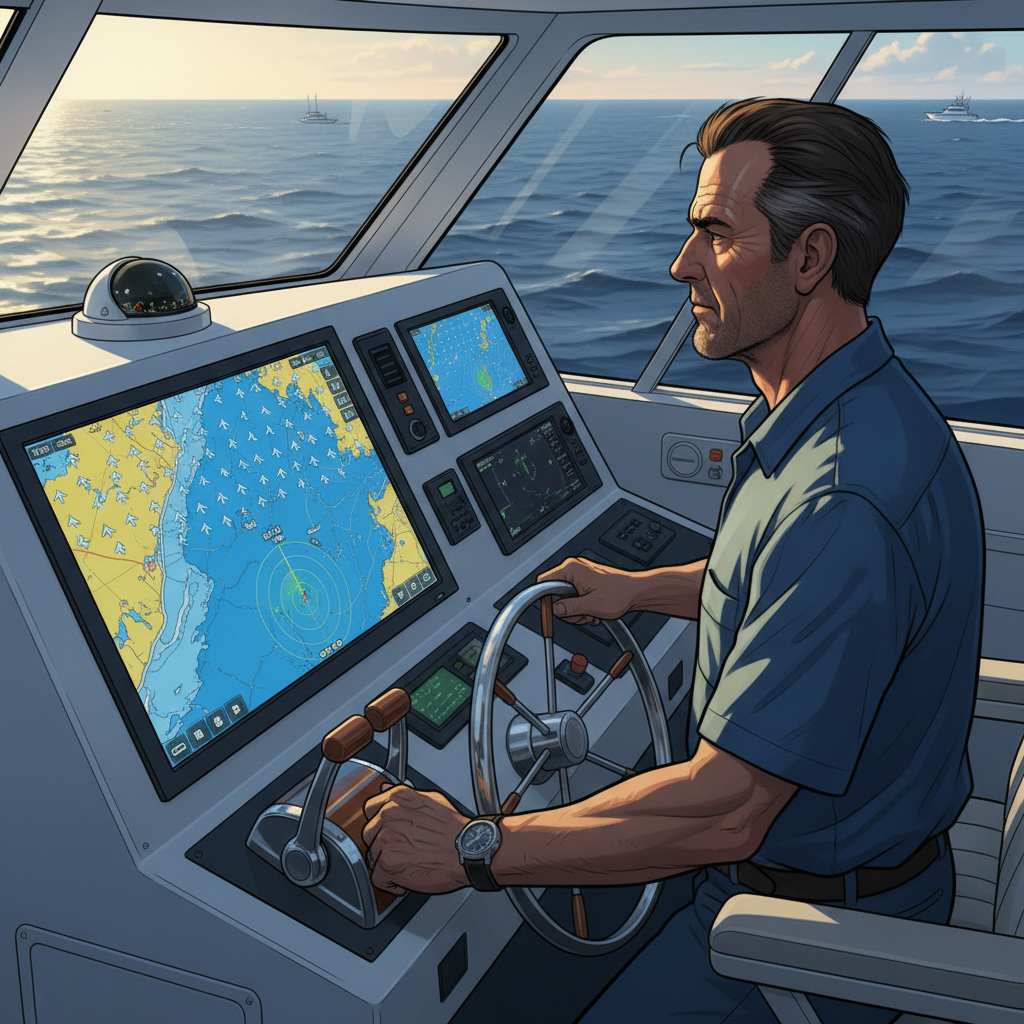
Gentlemen, we've all been there. That pre-dawn check of the marine forecast, eyes scanning for swell height and wind speed, but how many of us truly dissect the *direction*? A recent piece from Florida Sportsman underscored what the old salts have known for generations: wind isn't just about comfort; it's a critical, often overlooked, factor in finding fish.
For those of us running a Viking 72 or a custom Jarrett Bay, the boat can handle the chop. But the fish? That's another story. A persistent east wind, for instance, can stack bait and push warm water currents, creating those perfect temperature breaks and weed lines where billfish—be it white marlin or a grander blue—love to ambush. Conversely, a hard west blow can flatten the surface, but often pushes bait offshore or disperses the very conditions we hunt. It's not just about the bite; it's about the entire ecosystem's response.
Think about those legendary runs in the Big Rock or Pirate's Cove. The captains who consistently find the fish aren't just reading their Furuno CHIRP sonar; they're reading the water, and the wind is a huge part of that equation. It dictates current, bait presentation, and even how your spread behaves. A well-placed AFTCO outrigger clip and a perfectly tuned Shimano Tiagra can only do so much if the wind is working against your natural bait drift.
So, next time you're prepping your Release Boatworks for a run to the canyons, don't just note the wind speed. Consider its origin. Is it pushing bait, concentrating thermoclines, or scattering the very conditions you've spent a lifetime learning to read? The difference between a tournament-winning weigh-in and an empty fish box often comes down to these subtle, yet profound, environmental cues.