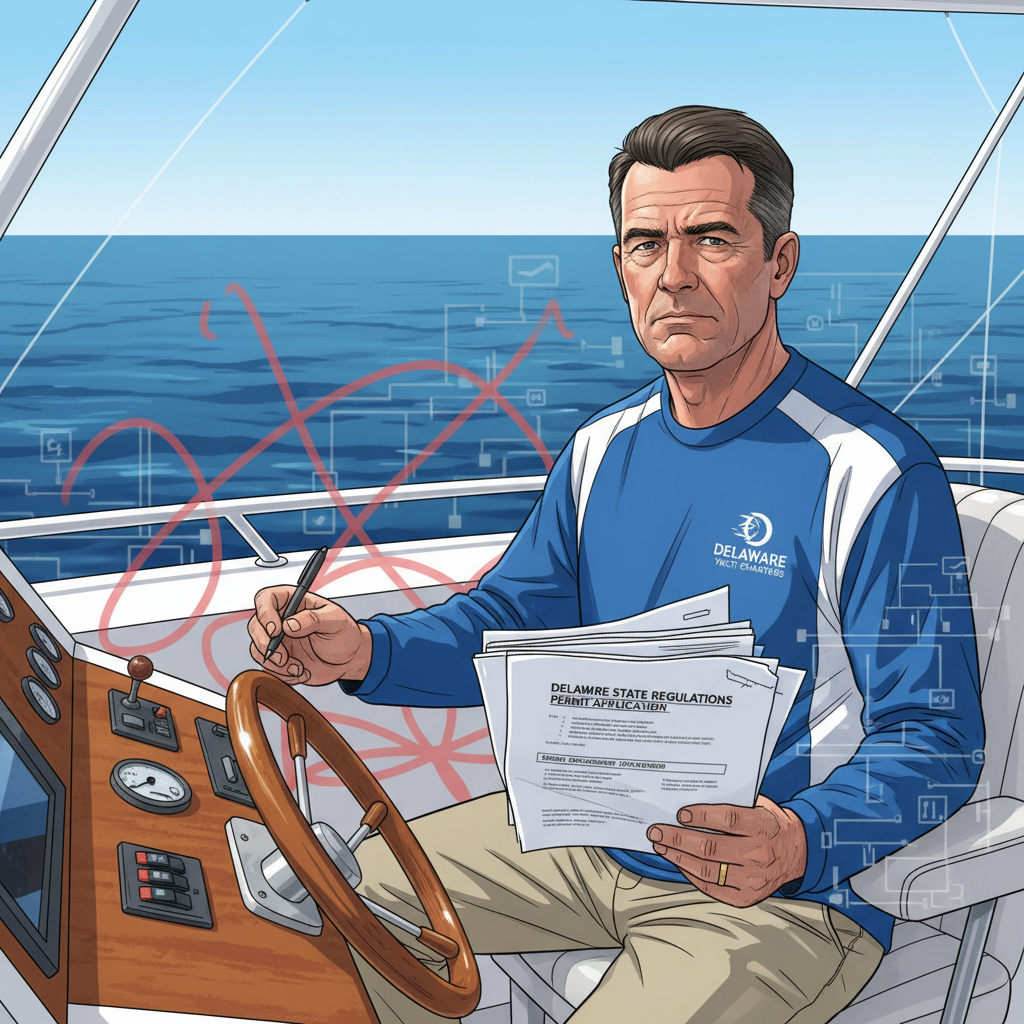
For those of us who live and breathe the offshore circuit, from the docks of Ocean City to the Big Rock, the thrill of the chase often overshadows the mundane realities of regulatory compliance. Yet, as the Delaware Department of Natural Resources and Environmental Control (DNREC) reminds us, understanding and adhering to recreational licensing requirements is as crucial as a perfectly tuned Shimano Tiagra or a flawless spread of Ballyhoo. It’s not just about avoiding a fine; it’s about contributing to the very conservation efforts that sustain our sport.
While the specific nuances of Delaware's licensing might seem like a local issue, it's a microcosm of the broader regulatory environment we navigate across the East Coast. Every state has its own system, and for the serious tournament angler running a Viking or a Jarrett Bay that sees action from the Mid-Atlantic to the Caribbean, staying on top of these permits is non-negotiable. Whether it's a general recreational license, a specific species endorsement, or understanding catch limits for highly migratory species, ignorance is no defense when the weigh-in clock is ticking, or a state fisheries officer pulls alongside.
These licenses aren't just bureaucratic hurdles; the revenue generated often directly funds critical research, habitat restoration, and enforcement that protects the very fisheries we rely on. It's a small but vital investment in the future of big game fishing, ensuring that our grandchildren can still experience the adrenaline rush of a marlin on the line. So, before you spool up with fresh AFTCO line for your next run to the canyons, double-check your state's licensing requirements – it’s part of being a responsible steward of the sport.