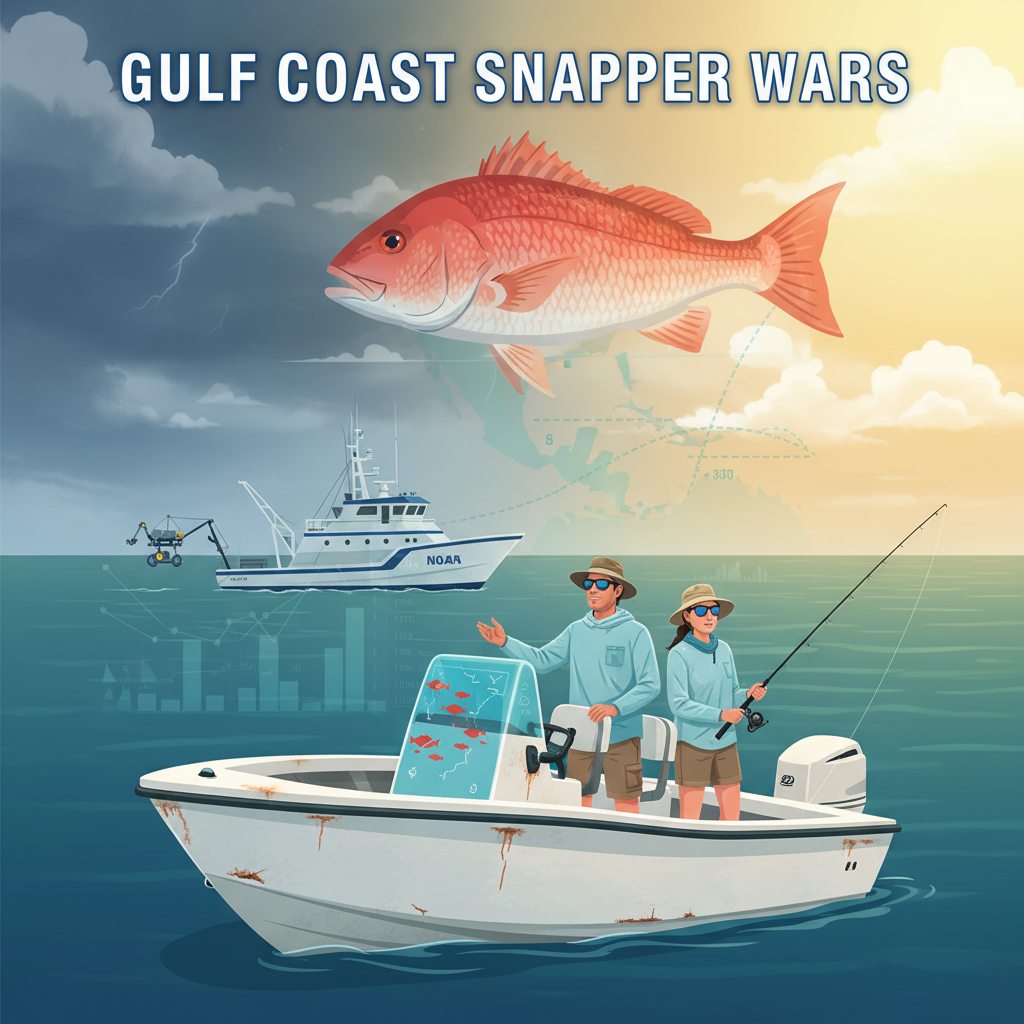
The Gulf of Mexico Red Snapper fishery has long been a flashpoint, a battleground where recreational anglers, commercial operations, and federal regulators often find themselves at odds. For those of us who spend our lives chasing big fish and navigating complex regulations, the news from NOAA Fisheries and the Gulf States Marine Fisheries Commission (GSMFC) regarding new Red Snapper data improvement projects is, frankly, long overdue and potentially game-changing.
These initiatives aren't just about counting fish; they're about refining the science that dictates our seasons, our bag limits, and ultimately, the health of a beloved species. For years, the recreational sector, particularly the private boat owners who pour millions into the Gulf's economy, has argued that existing stock assessments don't fully capture the reality on the water. We see healthy populations, but often face restrictive seasons that feel arbitrary.
The announced projects aim to enhance data collection, integrate new technologies, and improve the accuracy of catch and effort reporting. This is critical. Whether you're running a custom Jarrett Bay or a battle-tested Viking, you know that sound data is the bedrock of sustainable management. Without it, we're all just guessing, and that leads to frustration, economic hardship, and a lack of trust in the system.
While the specifics are still being ironed out, the commitment to better science is a positive step. Our community, which invests heavily in conservation through catch-and-release practices and responsible angling, deserves management decisions based on the most robust data available. We're not just looking for more fish; we're looking for a more equitable and scientifically sound approach to managing a resource that defines a significant part of our fishing heritage. Let's hope these projects finally bring some much-needed clarity and stability to the Gulf's snapper wars.