For decades, tournament anglers have relied on a blend of intuition, experience, and traditional electronics – Furuno, Garmin, Simrad – to find the bite. Now, the advent of live sonar, long a staple in freshwater bass circuits, is making serious waves in the saltwater arena, and it’s got everyone talking.
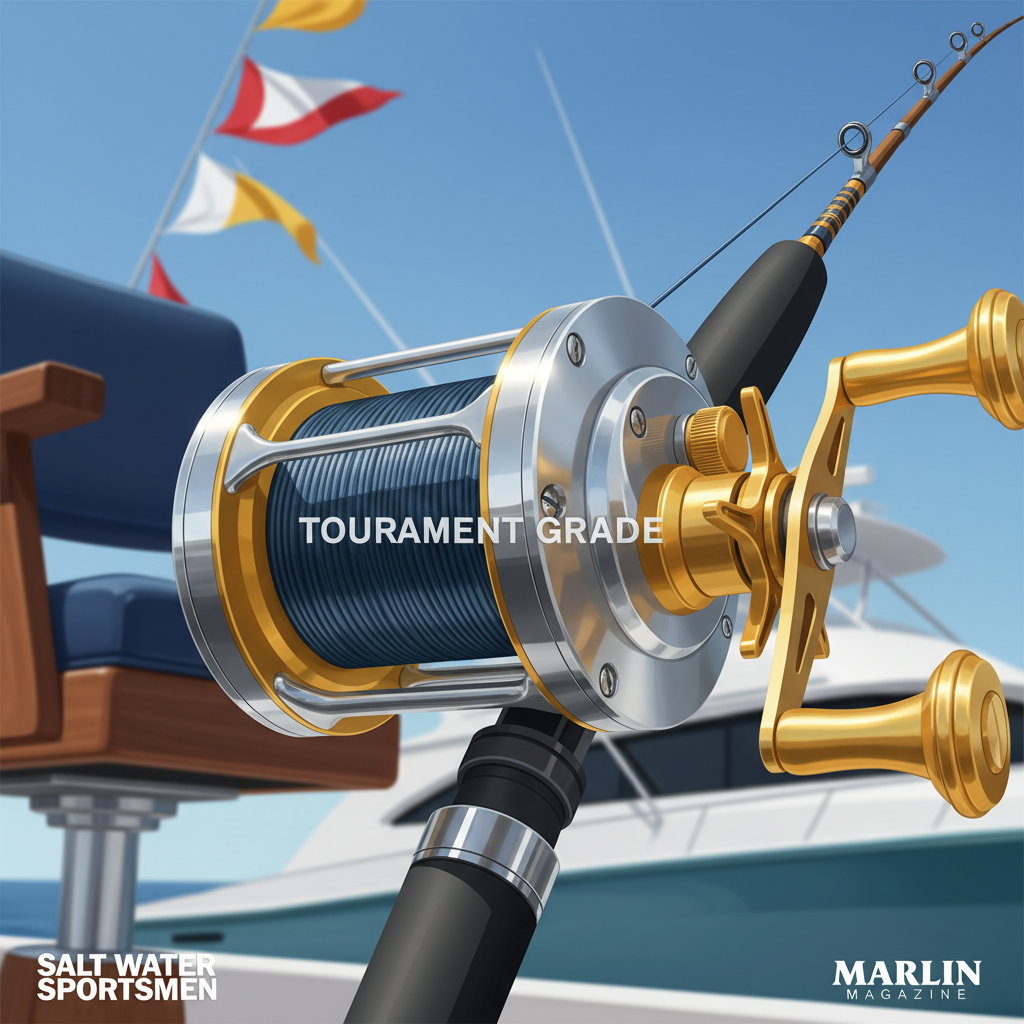
Imagine seeing a marlin or tuna actively chasing a baitball, or a school of wahoo hugging a thermocline, all in real-time, beneath your 60-foot Jarrett Bay or Viking. This isn't science fiction; it's the reality offered by systems like Garmin's Panoptix or Lowrance's ActiveTarget adapted for offshore use. It offers an unprecedented advantage, allowing captains to precisely present baits, whether it's a pitched livey on an AFTCO rod with a Shimano Tiagra or a trolled spread from a Release Marine fighting chair.
While the technology promises to reduce unproductive trolling time and potentially increase hook-up ratios – a boon for conservation-minded catch-and-release tournaments – it also raises questions. Is this an unfair advantage? Does it diminish the traditional skill of reading the water and interpreting conventional sounder returns? The IGFA rules are clear on fair chase, but the line blurs when you can 'see' the fish before it commits. As these million-dollar rigs push the boundaries of what's possible, the discussion around live sonar's place in competitive saltwater fishing is just beginning. It’s a brave new world out there, and the stakes, both financial and ethical, are higher than ever.