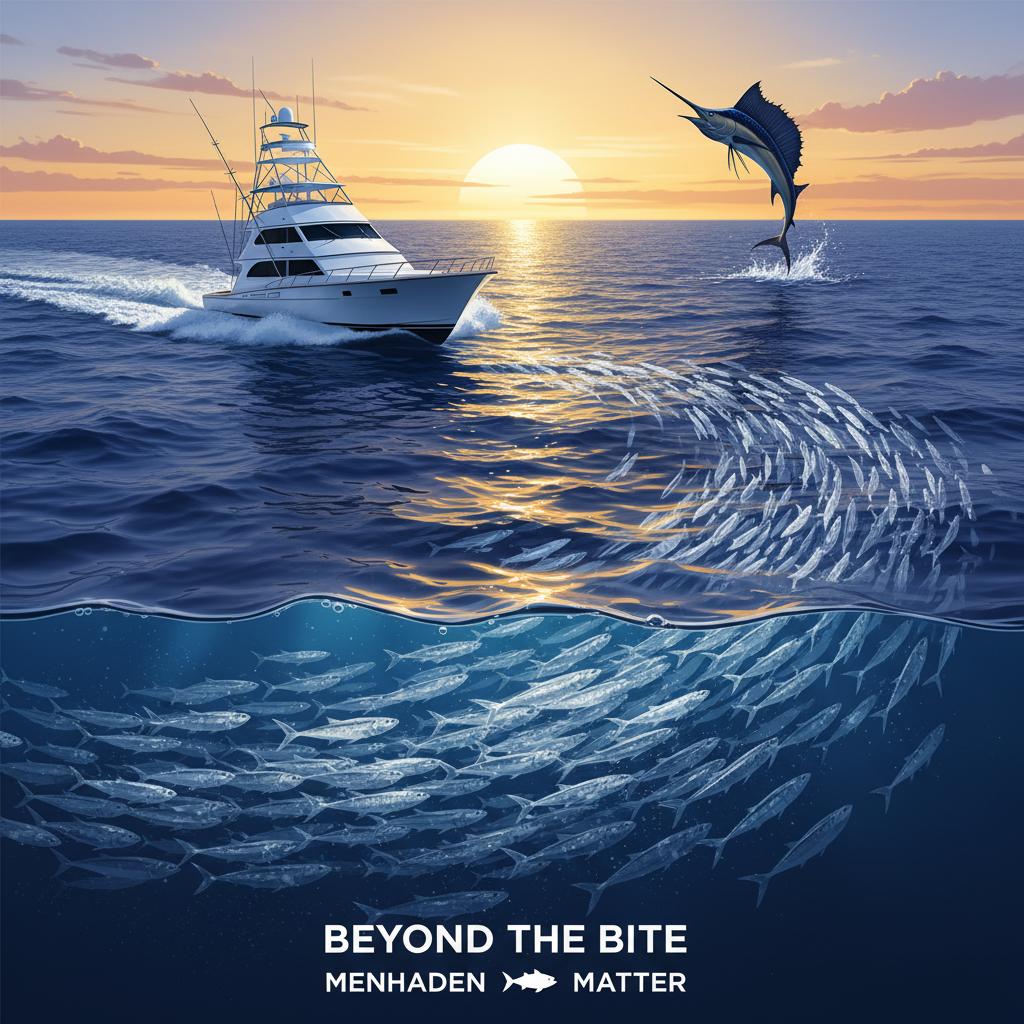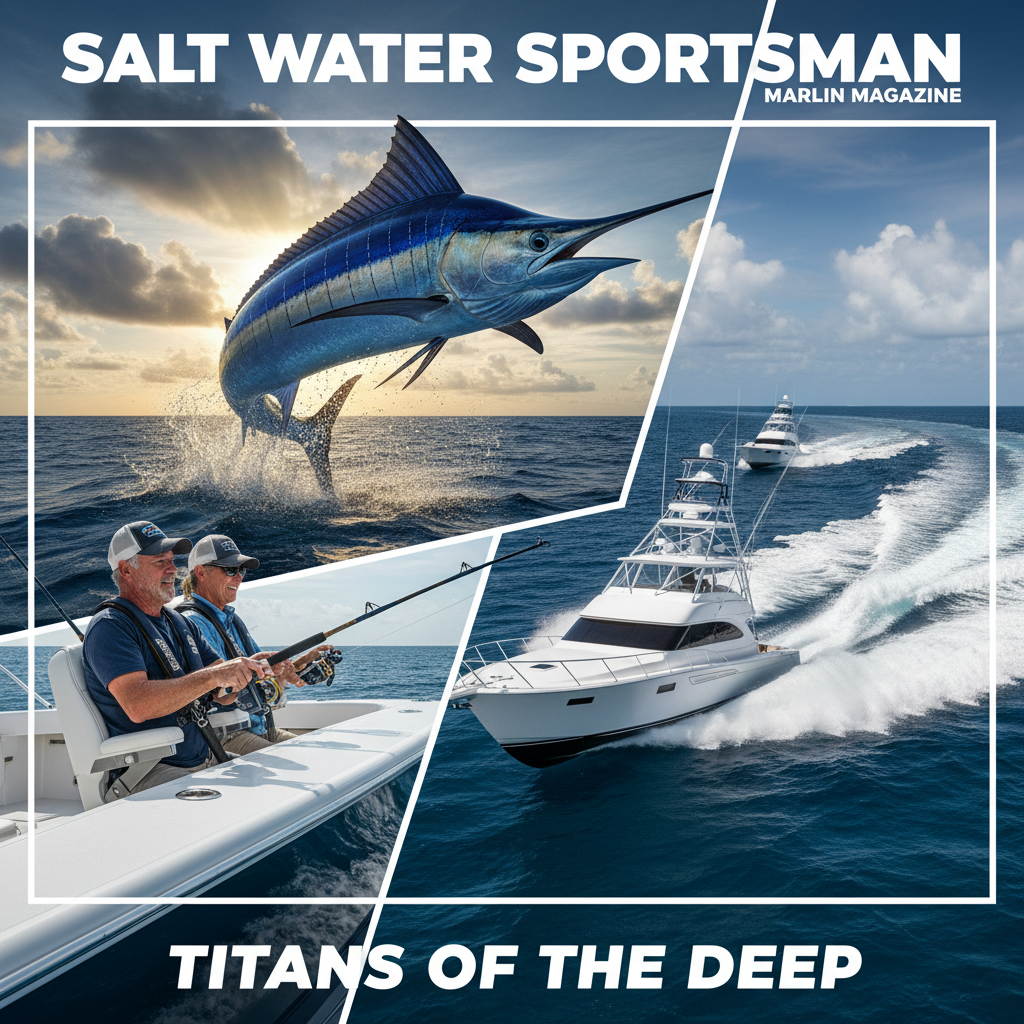
For those of us who live and breathe the salt, who’ve felt the thrum of a marlin on a Penn International 80W and seen the sun rise over the Hatteras horizon from the bridge of a Viking, the ocean isn't just a playground – it's a legacy. And a recent report from Mongabay highlights a critical initiative that underscores this very sentiment: a dedicated saltwater fishing group is actively boosting research for better conservation.
This isn't just about catch-and-release, though that remains a cornerstone of responsible angling, especially in the high-stakes world of billfish tournaments like the White Marlin Open or the Big Rock. This is about proactive investment, leveraging the considerable resources and passion within our community to secure the future of the very fisheries we cherish.
Think about the boats we run – the Jarrett Bays, the Ritchie Howells, the Release yachts – each a testament to engineering and a significant investment. The tackle we deploy, from Shimano Tiagras to Daiwa Saltigas, represents the pinnacle of fishing technology. And the electronics, the Garmin, Furuno, and Simrad suites, give us an unparalleled view of the underwater world. It’s a world we’re deeply connected to, and increasingly, a world we’re actively working to protect.
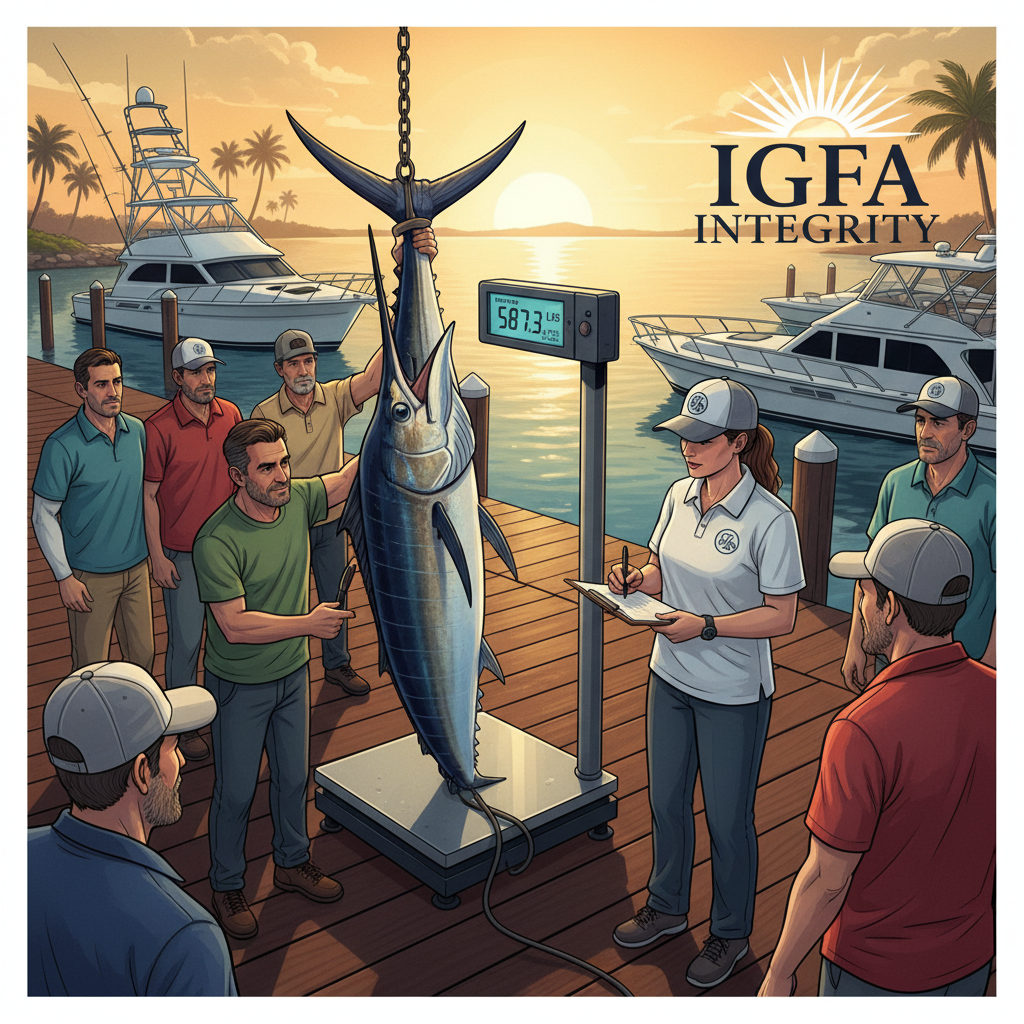
The economics of tournament fishing are staggering, but a growing portion of that capital is being directed towards meaningful scientific inquiry. This group, understanding that true conservation requires data, is funding studies on everything from migratory patterns to spawning grounds, stock assessments to the efficacy of various management strategies. This isn't just about complying with IGFA rules; it's about shaping the rules with informed science.
We've all witnessed the drama of the weigh-in, the cheers for a grander, the respectful release of a healthy billfish. But the real victory, the long-term win, lies in ensuring those fish are there for generations to come. This initiative is a powerful reminder that the competitive spirit of tournament angling can, and should, be a potent force for good in the ongoing battle for ocean health. It’s a testament to the fact that the best anglers aren't just good at catching fish; they're dedicated to preserving them.