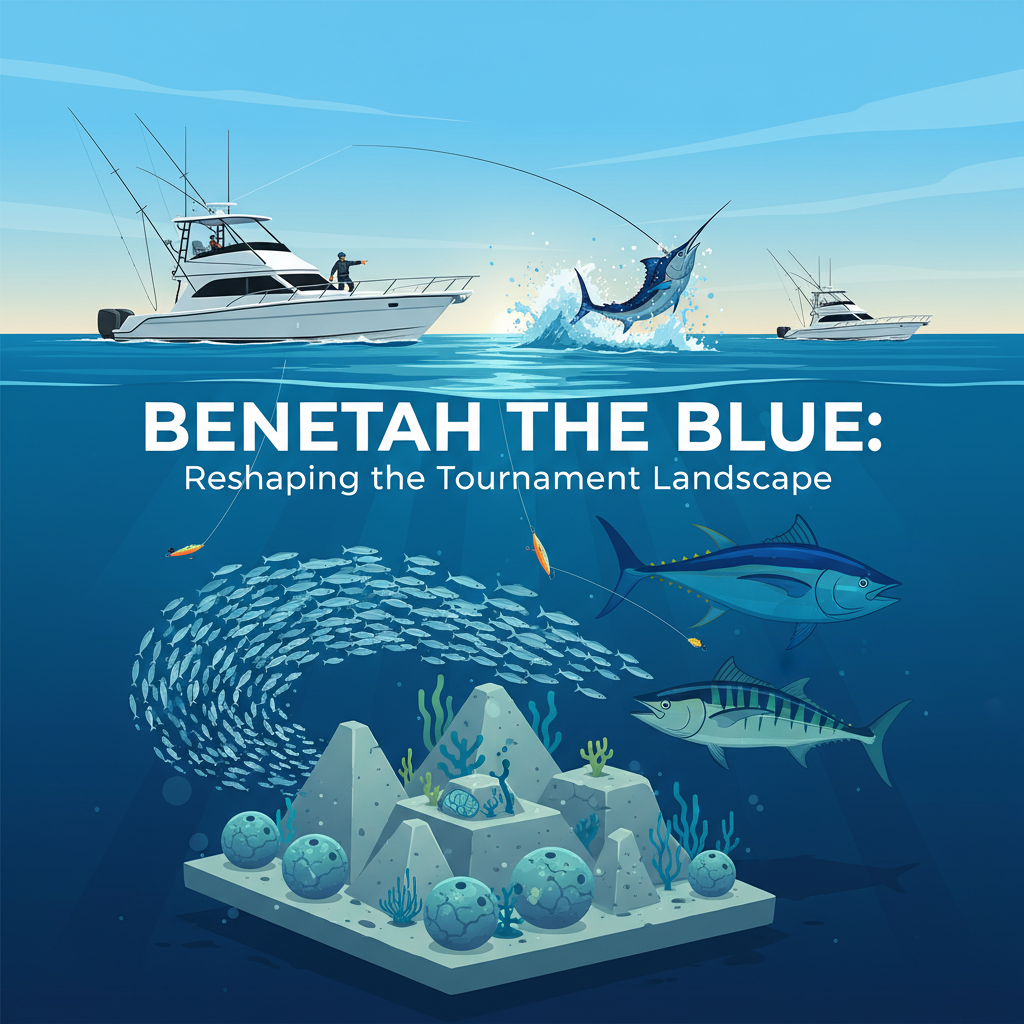
For those of us who've chased marlin from the canyons off Ocean City to the fertile waters of the Big Rock, we know the game is always evolving. While the hunt for pelagics often takes us to natural structure and temperature breaks, the growing network of artificial reefs is quietly, yet profoundly, changing the playbook for offshore tournament anglers.
Take the Gulf Coast, for instance. States like Alabama are leading the charge, deploying everything from retired ships to purpose-built concrete structures. These aren't just fish attractors; they're creating complex ecosystems, drawing in baitfish, then snapper, grouper, and, crucially, the billfish and tuna that follow the food chain. We're seeing captains on their Vikings and Jarrett Bays dedicating serious time to mapping these submerged cities with their Furuno and Garmin rigs, unlocking new patterns and productive zones.
This isn't just about finding more fish; it's about sustainable fishing. The IGFA-compliant catch-and-release protocols we champion are more effective when fish have robust habitats to return to. These reefs offer critical refuge and spawning grounds, ensuring future generations can experience the thrill of a screaming Shimano Tiagra drag. It's a testament to the foresight of conservationists and the fishing community's commitment to preserving the sport we love. These underwater investments are paying dividends, both for the ecosystem and for the competitive edge.